For half a century, the gospel of manufacturing has been written in two words: Lean and Six Sigma. The pursuit of perfection through the relentless elimination of waste and variation built the modern industrial world. It created a generation of exquisitely optimized factories, each a testament to predictability and efficiency. This philosophy was perfect for a predictable world.
That world is gone.
In an era defined by supply chain shocks, volatile energy costs, and flash-mob customer demand, the hyper-optimized factory has become dangerously brittle. A system perfected for one set of conditions shatters when those conditions change. The strategic goal can no longer be to perfect a static process. The goal must be to build a dynamic organism.
This requires a new philosophy, one that moves beyond optimization to constant creation. Welcome to the era of the Generative Factory.
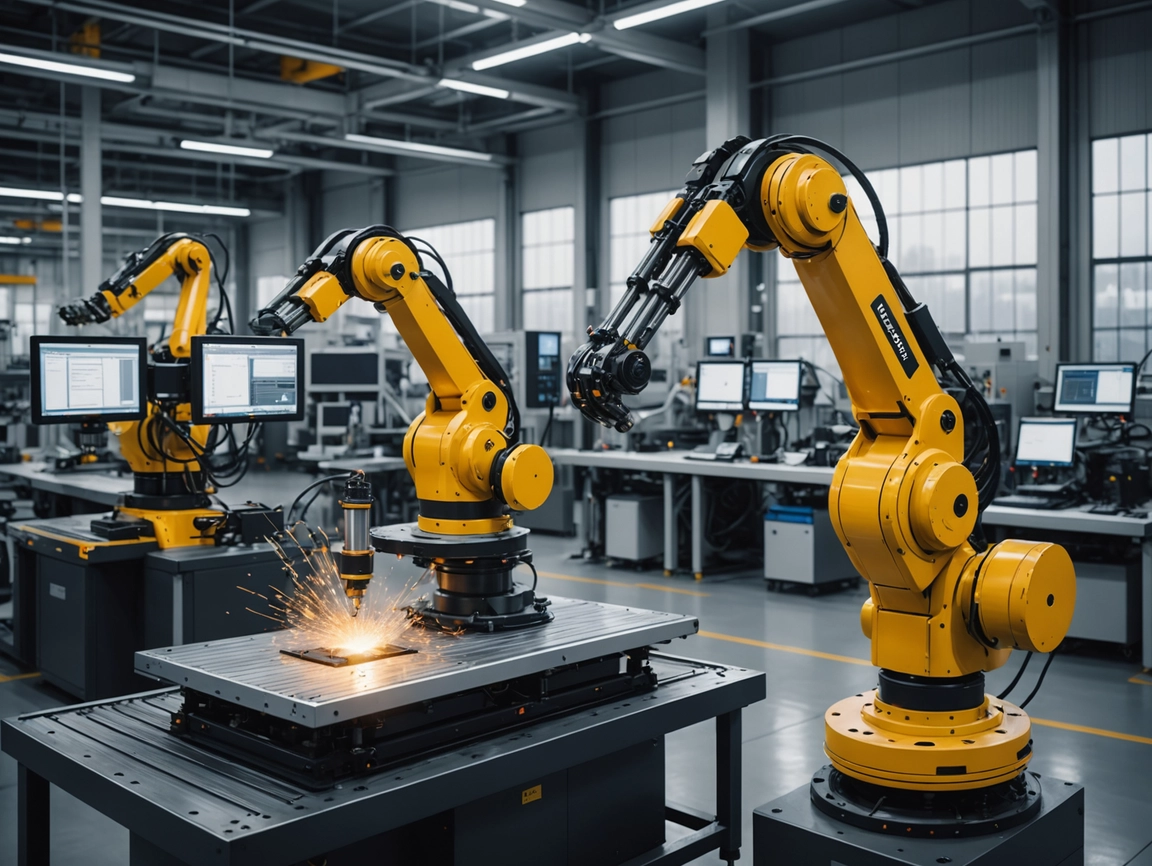
The Generative Factory is not merely an “automated” or “smart” facility. It is an autonomic one. It uses generative AI, fed by a constant stream of internal and external data, to do more than just refine existing workflows. It actively redesigns the factory itself, in real time, to meet the moment.
Imagine a sudden geopolitical event that triples the cost of cobalt. The lean factory shuts down. The Generative Factory’s AI instantly accesses a library of alternative materials, redesigns the affected component using a cobalt-free alloy, simulates its performance, and re-tasks a series of robotic cells to produce the new version. The changeover is measured in hours, not months.
This is not science fiction; it is the next logical step in competitive manufacturing. This system views every variable—from the layout of the factory floor to the chemical composition of a product—as something to be creatively reconfigured, not just passively managed.
A viral social media trend creates unexpected demand for a product in a new market? The generative system models the most efficient logistics pathways, re-prioritizes production schedules globally, and begins fulfillment before a human planning meeting can even be scheduled.
A new environmental regulation is announced? The factory simulates new processes to meet compliance with minimal waste, ordering the necessary machine retrofits and scheduling their installation automatically.
Building this level of adaptability requires a fundamental shift in strategic and financial thinking.
The Strategic Shift: The key competitive advantage is no longer economy of scale, but economy of adaptation. The winner is not the company that can make a million of one thing cheaply, but the one that can make ten thousand of one hundred different things, on demand, with minimal friction.
The Analytics Shift: The “digital twin” must evolve. It is no longer a static model for monitoring. It must become a dynamic simulation engine—a “sandbox” where the factory’s AI can build and test thousands of new configurations every day before deploying the best one.
The Financial Shift: The investment case for the Generative Factory cannot be measured by traditional efficiency metrics like unit cost reduction. Its ROI is calculated in resilience, speed to market, and radical resource efficiency. How much is it worth to be the only company that can operate when a key raw material is unavailable? What is the value of capturing a new market trend weeks before your competitors can react?
The philosophy of Lean taught us to perfect our creation. The philosophy of the Generative Factory will teach our creations to perfect themselves. The factory of the future will not be a static monument to efficiency, but a living system, constantly evolving to master a world of perpetual change.





Leave a comment